Plan your purchase
Separate the purchase budget from the trading budget
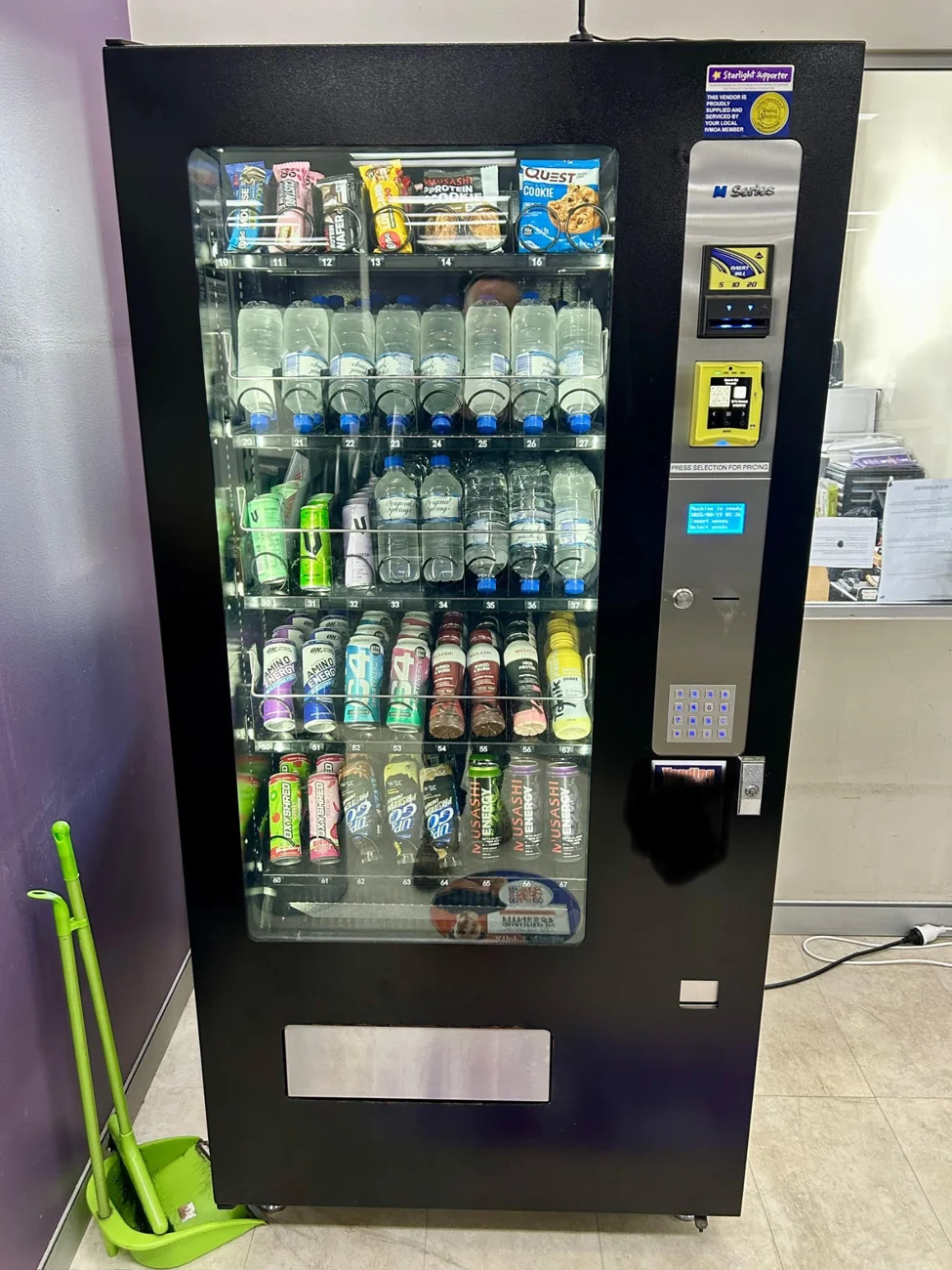
Our new-machine starting package is $4,990 excluding GST and includes a credit card reader. Delivery is quoted separately. That is an equipment starting price, not the cost of operating a complete business. Larger cabinets, different machine types and extra equipment need their own quotes. Do not add another reader purchase charge to a package that already includes one, but do ask about the payment provider’s ongoing fees.
Keep two lists before you buy. The first covers equipment, freight, positioning, commissioning and opening stock. The second covers repeat stock orders, electricity, payment fees, travel, cleaning, repairs and any agreed location payment. A finance repayment belongs in the cash-flow plan as well. Keeping these lists separate makes it easier to compare buying outright with funding and avoids mistaking gross sales for spendable income.
Stock costs follow what actually sells
Start with the products your intended users can buy and the cabinet can dispense reliably. Obtain wholesale prices for the actual cans, bottles, snacks or coffee consumables, including delivery and minimum order quantities. A low advertised carton price may be less useful if the order is too large for your storage space or expiry dates. Test unfamiliar packaging before committing to a large opening order.
Track stock purchases, stock remaining and stock sold rather than treating every restock invoice as that month’s cost of sales. Allow for damaged packaging, expired products, refunds and slow-moving selections. Coffee also needs a budget for the specific beans, milk system, cups and cleaning materials. For fresh food, safe storage and temperature controls affect both the equipment choice and the stock-handling plan. Review the range against transactions instead of assuming every selection will sell equally well.
Work out electricity from measured energy use
For a useful electricity estimate, multiply measured daily energy use in kilowatt-hours by your electricity rate per kilowatt-hour, then by the days in the period. The rate should come from the bill or supply agreement for the actual site. If that site already pays a daily supply charge, do not automatically allocate the whole charge to one machine; agree how shared costs will be treated.
A cabinet’s maximum wattage is not the same as its average energy consumption. Refrigeration can cycle, and usage depends on the model, ambient conditions, ventilation, operating settings and door openings. Ask the supplier for model-specific energy information and the conditions behind it. Arrange suitable measurement where necessary rather than inventing a daily cost from cabinet size. Follow the manufacturer’s electrical instructions and use qualified help if circuit suitability or permanent power arrangements are uncertain.
Check the payment agreement, not just the reader price
An included card reader removes a hardware purchase charge from the starting package; it does not establish that card processing, connectivity or monitoring will be free. Request the provider’s current fee schedule. Ask about percentage fees, fixed charges, minimum monthly fees, data charges, settlement timing, account setup and cancellation. Confirm which services are bundled and which require an additional subscription.
Consider how the fees apply to your expected sale values. A fixed transaction component can matter more on a small sale than on a larger purchase. Use the actual payment mix rather than applying a card-processing fee to every transaction if the machine also accepts cash. Check responsibility for failed-payment enquiries and refunds, and keep settlement reports so you can reconcile the money received against recorded sales. Confirm reader ownership and transfer arrangements if you later move or sell the machine.
Include your time, travel and a repair reserve
A machine can trade unattended, but someone still orders products, loads them, rotates dates, cleans the cabinet and responds to problems. Record the likely journey, parking and refill access for each location. Your time has a cost even if you are the person making every visit. Stock-outs can also reduce sales when the refill schedule does not match demand or access is restricted to particular hours.
Ask for a servicing plan and current repair rates before buying. Separate routine cleaning and maintenance from warranty repairs. Confirm whether technical help is remote, on site or return to workshop, and who pays travel and freight. Keep a realistic reserve for faults rather than assuming a new machine will never need attention. For refrigerated cabinets, agree what happens to affected products during an equipment failure and who authorises restarting sales after the problem is resolved.
Use the location agreement to identify extra costs
Do not assume every location pays a commission or that every arrangement uses the same percentage. Obtain the actual agreement. It should identify the approved position, access, electricity responsibility, any rent or commission, payment timing, term and removal arrangements. Clarify how commission is calculated and whether refunds, tax and payment fees affect that calculation. A verbal description is not enough for a purchasing decision.
Local details change the budget without changing the machine’s advertised price. Sydney and Melbourne buildings may have dock bookings or lift restrictions. Gold Coast venues may need an indoor position protected from exposed conditions. For Toowoomba and other regional addresses, ask for postcode-specific freight and service arrangements rather than copying a capital-city delivery figure. These are buying considerations, not claims that a supplier has a physical branch at every location.
Compare cautious scenarios before committing
Estimate sales from usable daily attendance, operating days and the proposed location, not the total number of people associated with a business. Public visitors, locked areas, shift changes and nearby alternatives all matter. Build a lower-sales scenario as well as your expected case. Deduct product costs and the agreed recurring expenses from revenue before thinking about payback. An estimate cannot guarantee profitability or future demand.
Use the existing ROI calculator to explore your assumptions, then request a written equipment quote with the same machine type and postcode. Keep all figures on a consistent GST basis and ask your accountant how GST, funding and tax treatment apply to your circumstances. If you mainly want a workplace amenity rather than an operating business, compare free placement instead. The guideline is 25 people on site daily, with suitability and service availability assessed; it is not automatic approval or free products.
Frequently asked questions
Does the included card reader mean there are no card fees?
No. The new starting package includes the reader hardware. Ask the payment provider for transaction, connectivity and any subscription charges before buying.
Is there one monthly running cost for all vending machines?
No. Stock sales, the machine’s energy use, your tariff, service needs, refill travel and location terms differ. Budget with actual quotes and measured inputs.
How can I get a delivered purchase estimate?
Send your postcode, machine type, quantity, daily users and delivery access through the quote or new-machine enquiry page. Delivery and final inclusions require a written quote.
Ready to price a machine for your site?
Tell us your postcode, daily users, preferred products and access. Ask David for a written purchase quote and the operating details to check before buying.