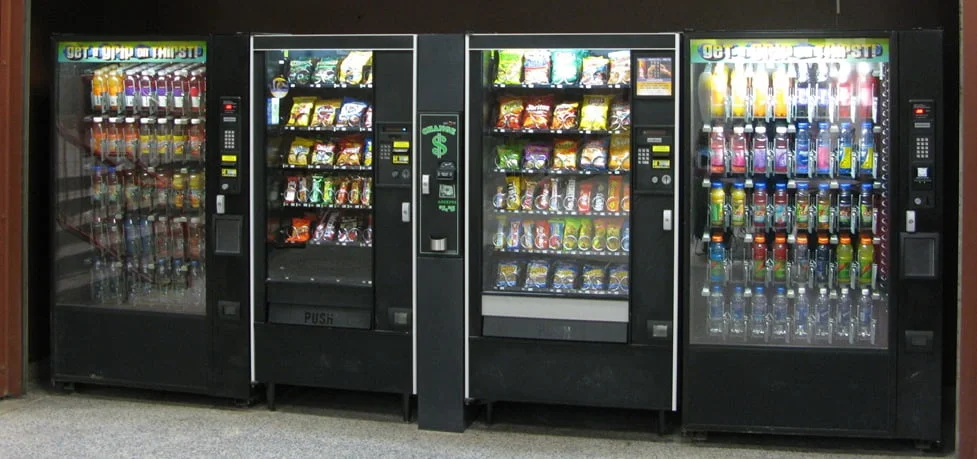
Get the right buying quote
Send the same site brief to each supplier
Write one short brief before collecting prices. Include the delivery postcode, machine quantity, intended products, usable daily attendance, opening hours and the proposed position. Say clearly whether you want to buy new equipment, buy refurbished equipment or apply for operator-managed free placement. These are different arrangements; a free-placement proposal is not a zero-dollar purchase quote for a machine you will own.
Add delivery-route photographs and measurements where possible, including the narrowest doorway, turns, steps, ramps and lift access. List building inductions, dock reservations and restricted delivery times. Tell each supplier the same facts so the comparison is meaningful. If you change the machine quantity or product range halfway through, ask for revised written quotes rather than comparing an earlier estimate against a more complete proposal. Keep the supplier’s answers with the brief for later reference.
Identify the exact machine and its condition
A quote should name the model and describe what is being supplied. New, refurbished, used and ex-demo equipment should not be treated as interchangeable. Ask for dimensions, weight, usable capacity and the configuration for the products you intend to sell. Selection count alone does not tell you how many popular bottles or snack packets fit, or how often the machine will need refilling.
For used equipment, request current photographs, the refurbishment work completed and testing details for dispensing, cooling and payment compatibility. Ask whether the offered cabinet is the actual available unit or an example model. For new equipment, confirm the quoted specification and available options. Coffee machines need particular attention to milk systems, water supply, cups, cleaning and whether payment acceptance is included. A benchtop coffee appliance is not automatically equivalent to a freestanding paid coffee vending machine.
Check inclusions before adding the totals
The new-machine starting package advertised on this site is $4,990 excluding GST, including a credit card reader, with delivery quoted separately. Use that inclusion when comparing the starting package: charging for the same reader again would overstate its purchase cost. Other models and optional equipment need their own written inclusions. Do not assume a used-machine quote includes the same hardware simply because it accepts card payments in an example photograph.
Ask which reader model, installation, commissioning and setup are included. Check whether coin or note acceptance is supplied if you need it. Separate hardware from payment processing and data subscriptions. Remote monitoring may involve an ongoing service, so confirm access, fees and what information is actually available. Ask who creates the merchant account and who supports failed transactions. Record each included item once in the comparison, and mark unresolved items as unknown rather than assuming they cost nothing.
Compare GST and delivery on the same basis
Put all supplier figures on the same tax basis before deciding which is cheaper. Record the equipment subtotal, any separately quoted options, freight and installation, GST and the total payable. A price marked excluding GST cannot be compared directly with a GST-inclusive total. Confirm your own tax position with an accountant rather than assuming every buyer can claim the same credit or deduction.
Delivery should refer to your actual address and access requirements. Ask whether the service stops at kerbside, includes positioning or includes commissioning in the final location. Sydney and Melbourne building access can require additional planning; Gold Coast and Toowoomba freight must be quoted to the postcode, not inferred from another city. Confirm the freight origin, unloading method, agreed access and responsibility for transport damage. If a quote leaves delivery as to be advised, treat the total as incomplete until that line is confirmed.
Read the warranty scope and service arrangements
Ask for warranty terms in writing, including duration and separate coverage for parts, labour and refrigeration where relevant. The advertised Proto-Vend combo range includes a two-year parts warranty; a parts warranty should not be read as a promise that every on-site labour or freight charge is included. Other machines may have different terms. Request the breakdown contact, claim process, exclusions and whether servicing is on site or return to workshop.
A warranty is not a substitute for understanding your rights. The ACCC explains that warranties are additional promises and cannot take away consumer guarantees where those guarantees apply. Business purchases and particular circumstances can require separate assessment, so consult the official guidance or obtain advice rather than relying on a website summary for a dispute. For your quote comparison, the practical question is who will help, where the machine must go and which costs you might still pay when something fails.
Confirm availability, timing and payment terms
An advertised range does not guarantee that every model is ready for immediate dispatch. Ask whether the quoted equipment is in stock, reserved, ordered or subject to an estimated arrival. Request a realistic dispatch and installation plan for your postcode. If your building has a fixed opening date, tell the supplier early and ask what happens if access or arrival timing changes.
Read quote validity, deposit requirements, balance-payment timing and cancellation terms before paying. Confirm whether options, branding or custom manufacture change those terms. Keep the exact version you accept, including any revised inclusions. Verify invoice and payment details with the supplier through a trusted contact if anything changes unexpectedly. A quote request is not an order, and an estimate on a calculator should not be treated as a binding supplier offer or a confirmed reservation of equipment.
Make the final comparison about fit, not only price
Compare the complete acquisition total alongside the ongoing budget for stock, power, payment fees, refills and repairs. A larger cabinet may reduce refill frequency at a busy location but tie up more stock at a smaller one. A lower purchase price may be appropriate for a trial site if the machine can dispense your products and support the payment equipment you need. Neither new nor used equipment guarantees sales.
Use the running-cost guide and existing calculator to check conservative scenarios, then ask David for a written quote based on your actual brief. Include the questions that remain unanswered rather than submitting only a model name. If ownership is not your goal, use the separate free-machine request instead: the guideline is 25 people on site daily, with suitability and service availability assessed. Keeping the enquiry purpose clear helps you receive a relevant response and avoids confusing a buying quote with a placement application.
Frequently asked questions
What should a vending machine quote include?
The model and condition, included equipment, GST, address-specific freight and installation, availability, payment terms, warranty scope and any ongoing fees should be clear in writing.
Does requesting a quote place an order?
No. A quote request starts a pricing enquiry. Confirm the final written offer, inclusions and terms before separately placing an order.
Should I compare new and used quotes at the same price?
Compare the exact condition, usable capacity, payment compatibility, warranty and delivered total. A cheaper used machine can suit a trial site, but it is not identical to a new package.
Get a quote you can compare clearly
Send your postcode, quantity, machine type and access details. Ask David to confirm the included equipment, GST and delivery for your site.