Use actual demand rather than a summer multiplier
Compare product sales and stock-outs with attendance by shift. Holidays can reduce office traffic while a warehouse or visitor site becomes busier, so hotter weather alone is not a sufficient forecast. Track which selections sell out first and whether the machine remains accessible during peak breaks. Allocate more capacity to the reliable sellers before expanding the range.
If you are starting without transaction history, use a conservative initial mix and review it promptly. Ask staff for preferences, but distinguish interest from actual purchases. Keep purchases, stock costs and payment fees separate when evaluating performance. A website calculator can help compare assumptions; it cannot guarantee sales or payback.
Build a flexible drinks and snacks range
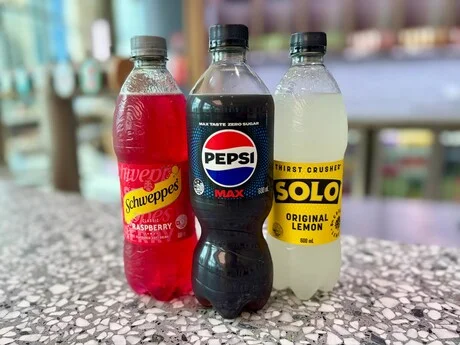
Offer chilled water and a mix of requested packaged drinks. Compare regular and no-sugar options using your own results rather than claiming one always outsells the other. Test bottle and can sizes for the specific mechanism. Product labels, prices and collection instructions should remain clear.
Review snacks for heat sensitivity, storage conditions and expiry rotation. A combo cabinet shares space between categories, so strong drink demand may require different allocations or a separate drink machine. Fresh food needs appropriate controls and an agreed procedure if safe temperatures cannot be maintained. Vending adds convenient choices but does not replace workplace drinking-water provision or heat-safety duties.
Adjust refills and check equipment
Schedule refill visits around actual usage and the person responsible for access. Confirm how weekends, shutdowns and roster changes affect the service plan. A remotely monitored cabinet can assist planning, but someone still needs to interpret stock information and organise a practical visit. Record repeated stock-outs so adjustments are evidence-led.
Check ventilation and the manufacturer's operating temperature limits before warmer periods. Keep airflow clear and agree who handles alarms or refrigeration faults. Do not place an indoor machine in exposed conditions without confirming suitability. Maintain a visible fault contact and a clear process for taking affected products out of sale when necessary.
Prepare delivery and service before busy weeks
For new equipment, provide the postcode, proposed position and delivery-route photographs early. Confirm availability and installation timing in writing rather than assuming every city has ready stock. Purchased machines need a stocking and service plan; free placement depends on eligibility and service-route availability.
Compare equipment, freight, payment hardware, servicing and GST as separate costs. Lease-to-own terms require an applicant-specific agreement. The summer campaign page brings together buying and placement options; local guides help prepare your address-specific enquiry. For weather planning, consult the Bureau of Meteorology's current regional outlook rather than asserting an active El Niño or record-breaking heat.
Get a site-specific recommendation
Tell us your postcode, daily users, product preferences and access details.