Choose your summer option
Cold drinks that fit the people and the cabinet
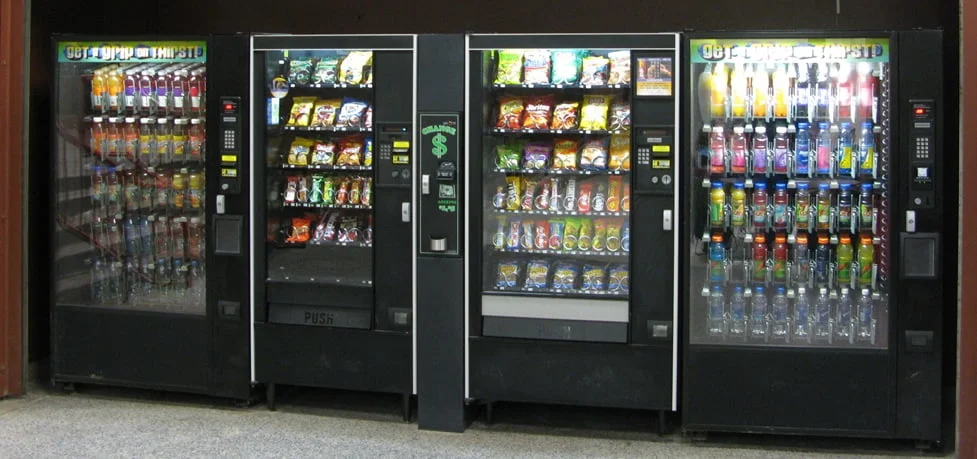
Start with the people who can actually reach the machine during a normal shift. A head office with hundreds of employees is not the same as a staff room used by one small team. Count regular users, visitors and opening hours separately. Ask which drinks they want, what they are comfortable paying and whether nearby shops already meet that need. Chilled water, regular and no-sugar soft drinks can form a practical starting range, but your own sales should decide how much space each product receives.
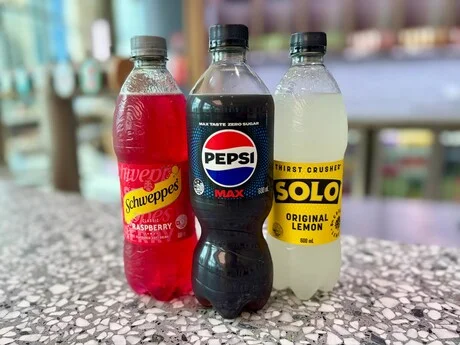
Check the exact bottle and can sizes before ordering equipment. A 600ml bottle, a small water bottle and a tall can can behave differently in a tray or column. Request a vend test using your intended packaging and confirm which adjustments are needed. The supplied bottle photograph shows examples of products, not a guaranteed range or brand agreement. Confirm temperature capability, ventilation clearance and the manufacturer's ambient operating limits for the actual model. An indoor cabinet should not be treated as an outdoor machine just because its contents are refrigerated.
Snacks and drinks: one combo or two machines?
A combination machine is useful when there is room for one cabinet and users want both packaged snacks and chilled drinks. Compare the drink allocation as carefully as the snack selection count. A cabinet with many selections can still run short if the most popular bottle has little stock depth. For a busy warehouse, hospital staff area or extended-hours site, separate drink and snack cabinets may provide more usable capacity. Measure the available space and delivery route before assuming a larger installation will fit.
Choose packaged snack lines around preferences and handling requirements. Ask for ingredient and allergen information to remain visible, and consider different portion sizes rather than assuming one range suits everyone. Chocolate, bars and crisps do not all tolerate heat or refrigeration in the same way. Fresh sandwiches and meals need a separate food-safety assessment; a standard snack combo is not proof of suitability. Agree who cleans the cabinet, rotates stock and checks expiry dates. An attractive product range only works when replenishment and safe handling are practical throughout the operating week.
Free placement: an amenity for qualifying workplaces
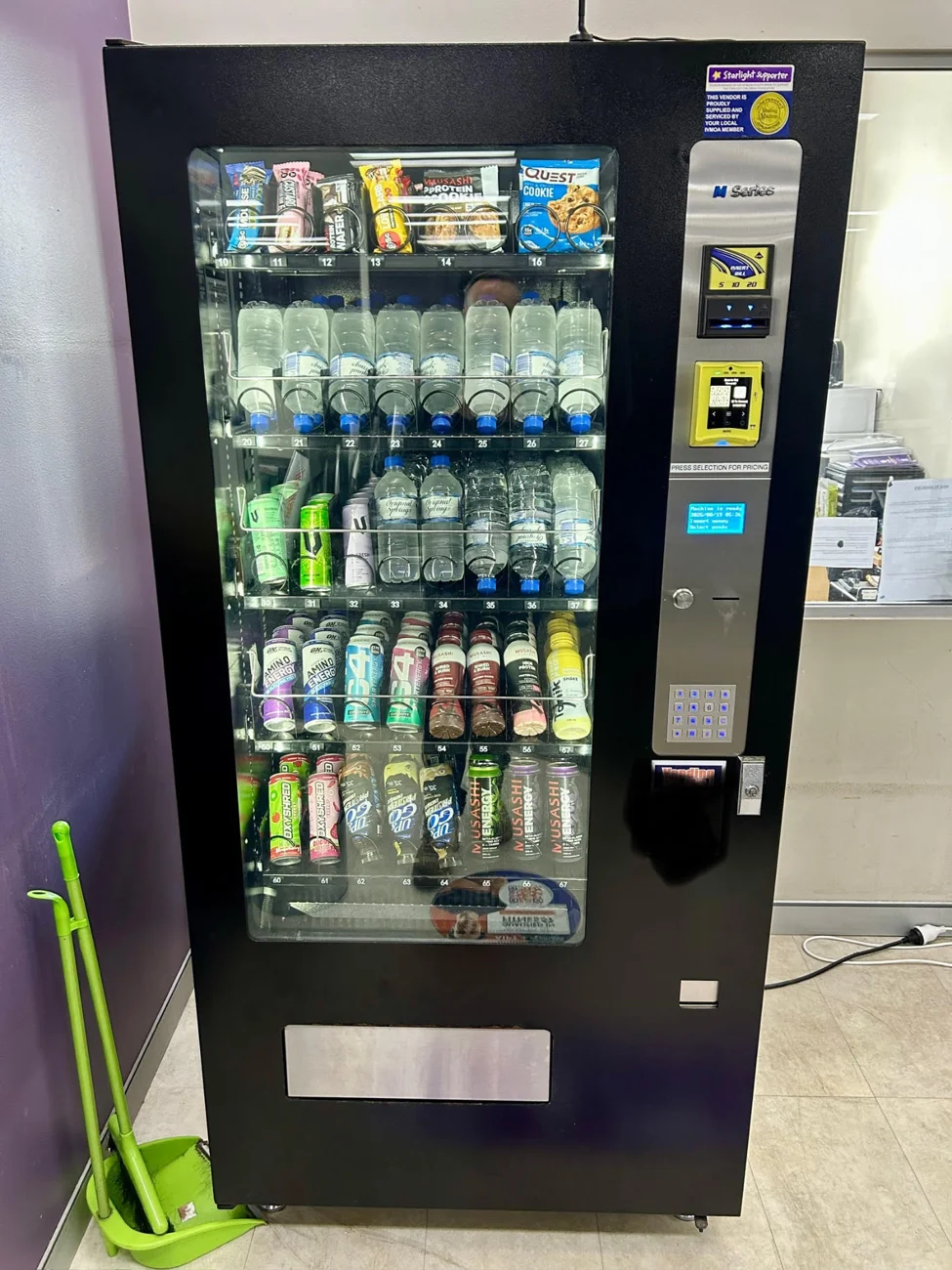
Free placement means the operator supplies and runs the machine under the agreed site arrangement, earning revenue from product purchases. It does not mean the drinks and snacks themselves are free. Eligibility depends on usable daily attendance, public foot traffic where relevant, access hours and the available service route. A general attendance guide is only a starting point, not automatic approval. Tell us about shift patterns and restrictions so the assessment reflects the people who can actually buy from the machine, rather than everyone listed on the payroll.
Before accepting a placement, confirm the product range, responsibilities, electrical supply, access and how faults are reported. The workplace should know who to contact when a product fails to dispense or a payment needs checking. Discuss whether access is available when the operator needs to restock and whether inductions or security escorts apply. Keep the agreed conditions in writing. If your site is not suitable for the free programme, consider a purchase or funding enquiry rather than inflating attendance figures. The best arrangement is one that remains workable after the initial summer rush.
New, refurbished and lease-to-own offers
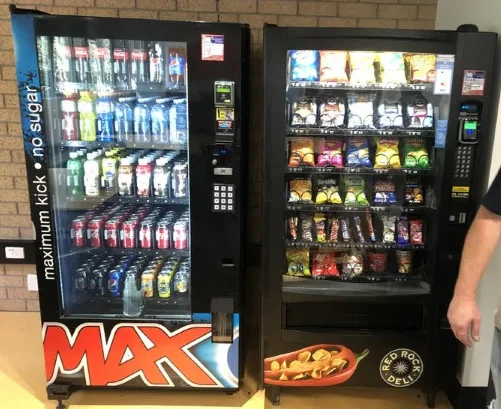
A new machine can suit a workplace or operator wanting current equipment and a documented warranty. Ask what the warranty covers, how a claim is handled and whether payment hardware is included. A refurbished machine can lower the initial equipment spend, but its condition should be assessed model by model. Request photographs of the actual available cabinet, a service history where available, refrigeration checks and a test of the reader and dispensing mechanism. The supplied paired-machine photograph illustrates a configuration; it is not a promise that those exact cabinets are currently for sale.
Lease-to-own funding spreads equipment payments under an agreed finance contract. Confirm the applicant requirements, deposit if any, repayment schedule, fees, total payable and the point at which ownership transfers. Funding is subject to approval and is not an instant promise of a particular weekly rate. Separately establish who stocks and services the equipment during the term. Compare total costs and responsibilities across the alternatives rather than selecting only the lowest advertised payment. If tax treatment affects your decision, obtain advice appropriate to your business instead of treating a website explanation as personal financial advice.
Freight, GST and your real delivered price
Machines are mainly based in Sydney, with some also in Melbourne. The supplied transport examples are approximately $880 including GST from Sydney to Melbourne or Brisbane, and approximately $920 including GST from Sydney to Adelaide. These figures are indicative, not a fixed rate for every postcode or site. Regional freight, ferry crossings, steps, lifting equipment, restricted unloading and after-hours access can change the cost. Provide the full address and access photographs so the written quote can separate freight from positioning and installation. Do not assume a state-wide delivery figure covers a difficult final approach.
Request separate amounts for equipment, payment hardware, delivery, positioning, setup, service and GST. There is no confirmed standard service price that applies to every purchased machine; a calculator starting at zero is not a promise of free maintenance. Ask about subscriptions, transaction fees, power, stock and breakdown support as ongoing costs. Website calculator results depend on entered assumptions and cannot guarantee figures, prices or profit. Review the final itemised quote and its inclusions before agreeing. Your summer offer is the written arrangement confirmed for your site, not an invented discount or a countdown deadline.
A summer plan that continues after installation
Choose an achievable installation date based on equipment availability, transport and building access. Confirm door widths, lift capacity, a suitable power supply and clear circulation around the proposed position. Tell the supplier about stairs, loading docks, security requirements and any induction. Keep vending separate from the workplace's drinking-water provision and heat-management duties: packaged refreshments are an additional choice, not a replacement for those responsibilities. Consult the Bureau of Meteorology for current regional forecasts rather than assuming a record summer or a particular local temperature.
After launch, review transactions, stock-outs and user feedback. Increase allocation for popular drinks before simply adding more products. Schedule refill visits around actual demand and check refrigeration performance during warmer conditions. Keep a fault contact visible and record recurring failed vends or payment problems. For several buildings or cities, agree responsibilities for each address rather than assuming a single contract creates identical coverage everywhere. Our local buying guides help prepare the questions; the quote and service agreement confirm the answers for your particular site.
Plan your summer vending
Send your postcode, daily users, products and access details for a written recommendation and price.